Top benefits of Poly Lifting for fast, durable concrete repairs
Wiki Article
Transform Your Home: The Ultimate Overview to Concrete Leveling for a Flawless Complete
Concrete surfaces can degrade with time, resulting in unevenness that influences both safety and security and visual appeals. House owners may notice fractures, dips, or slopes that jeopardize performance. Recognizing the reasons and indicators of these concerns is essential. Various methods exist for leveling concrete, each with its own set of techniques and materials. Polyjacking Des Moines. When to deal with the task yourself or call in a professional can make all the difference, recognizing. The trip to a remarkable surface begins hereUnderstanding the Reasons of Unequal Concrete Surfaces
Although concrete is renowned for its durability, various aspects can cause unequal surfaces with time. One main cause is dirt activity, which may arise from fluctuations in moisture levels or bad compaction throughout setup. As the ground shifts, it can develop gaps under the concrete, resulting in clearing up. Additionally, freeze-thaw cycles can exacerbate this concern, as water caught within splits broadens when frozen, creating further surface area interruption. Heavy lots and vibrations from vehicles or equipment can also add to surface abnormalities. Incorrect water drainage can result in water pooling and disintegration, undermining the concrete's stability. Ultimately, recognizing these causes is crucial for house owners looking to preserve their concrete surface areas and assure lasting security.Indicators That Your Concrete Requirements Leveling
Identifying the signs that concrete requirements leveling is critical for preserving the honesty of surfaces affected by underlying problems. Homeowners should be cautious for visible cracks in the concrete, as these may show changing or working out. Additionally, the existence of uneven surfaces or visible dips can bring about hazardous stumbling threats. Water pooling in certain areas throughout rainfall can additionally signify improper slope and drainage issues. Other indication include problem opening up doors or home windows, which might end up being misaligned because of concrete changes. If the garage flooring appears irregular or if there are voids in between the concrete and adjacent frameworks, it's essential to evaluate specialist evaluation to deal with these potential troubles without delay.Various Techniques of Concrete Leveling
Concrete leveling can be accomplished through different methods, each with its very own benefits. Mudjacking and polyjacking are two popular strategies that differ in their materials and application procedures. In addition, self-leveling compounds supply a simple service for minor flaws in concrete surfaces.Polyjacking vs. mudjacking
Regularly, house owners encounter the obstacle of irregular concrete surface areas, triggering them to consider effective leveling methods. Two popular strategies are polyjacking and mudjacking. Mudjacking involves injecting a cement-based mixture underneath the slab to elevate it, making it a time-tested, cost-efficient option. It can be hefty and may take longer to completely dry. Conversely, polyjacking makes use of polyurethane foam, which is lighter and expands upon shot, offering an extra efficient lift. This approach cures promptly, lessening downtime and disruption. While mudjacking might appropriate for larger tasks, polyjacking is commonly favored for its speed and lowered weight. Eventually, the selection between these methods depends upon particular project needs, budget plan factors to consider, and the desired durability of the fixing.Self-Leveling Compounds Described
A selection of self-leveling compounds are offered to attend to irregular concrete surfaces, offering house owners with reliable remedies for achieving a smooth surface. These substances are commonly made from a mix of concrete, polymers, and accumulations, permitting very easy application and rapid treating. When poured onto the surface, they move and clear up right into reduced places, producing a level airplane.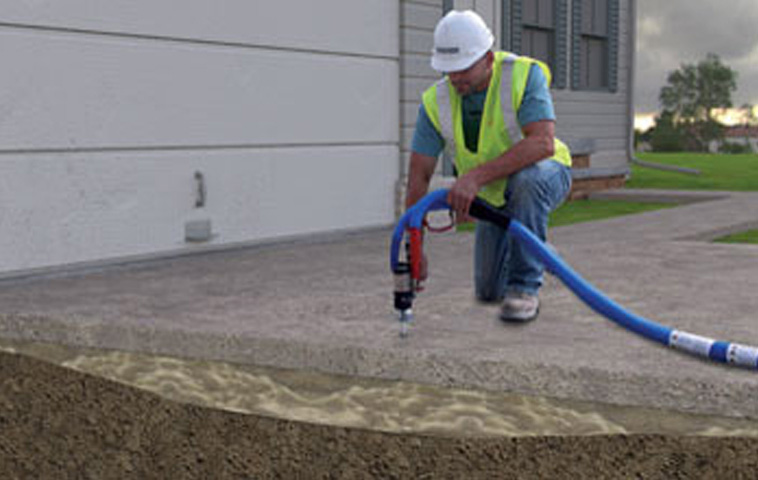
Materials Used in Concrete Leveling
Reliable concrete leveling relies upon a selection of specific materials made to boost stability and sturdiness. Amongst these, self-leveling compounds are frequently utilized, offering a smooth surface area by loading low spots and producing an even coating. Furthermore, polymer-modified mortars provide enhanced attachment and versatility, making them suitable for numerous substrates. Foam and mud jacking products, such as polyurethane, are commonly utilized for elevating settled concrete slabs, ensuring long-lasting assistance. Furthermore, split fillers and sealants play a vital role in attending to surface blemishes and avoiding future damages. Finally, supports like steel rebar or cord mesh can be integrated to boost structural stability. With each other, these materials add to efficient and reliable concrete leveling services.DIY Concrete Leveling: Step-by-Step Guide
In the domain name of do it yourself concrete leveling, understanding the required tools is important for an effective task. The procedure involves a clear step-by-step application that ensures a smooth and also surface area. This overview will certainly detail both the essential tools and the organized technique required for reliable concrete leveling.
Devices Needed for Leveling

Step-by-Step Application Process
A successful concrete leveling project includes several clear and systematic actions that assure a balanced surface area. First, the location should be completely cleansed to get rid of any debris or loosened material. Next off, any type of substantial cracks ought to be fixed to establish a smooth base. After preparing the surface, the leveling substance is blended according to the supplier's instructions. The blend is then poured onto the irregular locations, beginning with the most affordable factor. Using a leveling or a trowel tool, the substance is spread uniformly over the surface area. Once applied, it is essential to enable adequate drying time as defined in the standards. Finally, the recently leveled surface area can be completed with paint or sealant for added security and visual appeals.When to Hire a Professional
Concrete leveling can be a complicated job that typically calls for a specialist's know-how. Home owners should think about employing a specialist when the concrete concerns are extensive, such as significant cracks, large sunken areas, or when the concrete spans a large surface. Additionally, if the project involves specialized equipment or materials, a professional's experience can guarantee proper application and safety. Those lacking the moment or expertise to implement the leveling procedure properly might likewise take advantage of professional help. If the job needs adherence to regional building codes or authorizations, specialists can browse these policies with ease. Inevitably, spending in an expert can save time, reduce stress, and bring about a much more resilient, premium surface.Keeping Your Concrete After Leveling
Appropriate maintenance of leveled concrete is vital to assure its durability and resilience. After leveling, it is vital to permit the concrete to treat properly, commonly for at the very least 28 days, to achieve peak stamina. Regular cleansing is suggested; using a mop or a pressure washer can get rid of debris and prevent discoloration. Additionally, using a sealant every pair of years helps shield against dampness and chemicals that can cause damages. Homeowners need to also evaluate for splits or unevenness periodically, as early discovery can avoid more issues. Finally, staying clear of heavy loads or sharp effect on the surface area will assist keep its integrity, making certain that the leveled concrete remains a useful and gorgeous component of the home for many years ahead.Often Asked Concerns
How Long Does Concrete Leveling Last Prior To Requiring Re-Treatment?
Concrete leveling normally lasts between 5 to 10 years, depending on variables such as climate condition, usage, and the quality of products utilized. Regular upkeep can prolong its lifespan and maintain a smooth surface area.Can I Walk on the Leveled Surface Instantly After Therapy?
Promptly after treatment, it is generally advised not to stroll on the leveled surface - Poly Lifting. Enabling adequate healing time guarantees optimal results and prevents damages, generally advised to wait at the very least 24 hours prior to any foot website trafficWhat Is the Cost Array for Professional Concrete Leveling Providers?
The cost array for professional concrete leveling solutions generally drops between $3 and $25 per square foot, relying on factors such as the level of leveling required, the technique made use of, and regional prices differences.Is Concrete Leveling Safe for Kids and pet dogs?
Once the location has actually fully treated, concrete leveling is generally safe for family pets and children (Concrete Leveling). Nevertheless, it's suggested to keep them away during the leveling process to protect against accidents and guarantee a smooth, hazard-free environment later
Does Weather Condition Influence the Concrete Leveling Refine?
Yes, climate significantly impacts the concrete leveling procedure. Severe temperatures, humidity, and precipitation can affect treating times and the high quality of the completed surface area, making it vital to think about weather conditions prior to beginning the task.Identifying the indicators that concrete demands leveling is essential for keeping the honesty of surface areas impacted by underlying problems. Frequently, property owners face the challenge of uneven concrete surface areas, motivating them to consider effective leveling methods. Concrete Leveling Des Moines. When carrying out concrete leveling, having the right tools is vital for accomplishing a smooth and even surface. A successful concrete leveling task entails a number of clear and methodical steps that assure a well balanced surface area. Property owners ought to consider working with a specialist when the concrete problems are extensive, such as substantial splits, big sunken areas, or when the concrete periods a big surface
Report this wiki page